

Barbed Wire


- 产品描述
-
Product Introduction
Barbed wire is a type of fencing material that consists of wire twisted with sharp points or barbs at regular intervals. It is designed to deter intrusion or prevent escape, typically used for security or containment purposes. The barbs on the wire make it difficult and painful to touch, providing a physical deterrent.
Key Characteristics
Material: Barbed wire is usually made from galvanized steel, which helps prevent rust and corrosion, or other durable metals.
Barbs: The barbs are spaced out along the wire and can vary in size and sharpness depending on the specific application. They are designed to cause injury or discomfort if someone tries to climb over or cut through the wire.
Strength: The wire itself is relatively strong but flexible, allowing it to be stretched and fastened to posts or other structures.
Uses
Security: It is often used in military installations, prisons, and high-security areas.
Agriculture: Barbed wire is commonly used for livestock fencing on farms and ranches.
Perimeter Fencing: It can be used in combination with other materials (like wooden or steel posts) to form effective barriers around properties or restricted zones.
Variants
Single Strand Barbed Wire: One wire with barbs.
Double Strand Barbed Wire: Two strands twisted together, offering more strength and resistance to cutting.
Concertina Wire: A coiled form of barbed wire, often used in military or high-security areas. It can form a razor-sharp barrier that is more difficult to navigate.
Let me know if you need more details on a specific aspect of barbed wire!
Product Specifications
Barbed Wire Specifications
Barbed wire specifications vary depending on the intended use, such as agricultural, military, industrial, or security purposes. Below are some common specifications for barbed wire in terms of material, dimensions, and characteristics:
Material
Barbed wire is generally made from the following materials:
Galvanized Steel: The most common type, coated with zinc to prevent rust and corrosion.
Stainless Steel: More resistant to corrosion but typically more expensive.
PVC-Coated Wire: Steel wire covered with a plastic coating (usually green or black) for added durability and weather resistance.
Copper: Used for special applications, though rare compared to steel.
Wire Gauge (Thickness)
The gauge of the wire indicates the thickness of the wire used in barbed wire construction. A lower gauge number means thicker wire, which is stronger and harder to cut. Common gauges for barbed wire are:
12 Gauge (2.64 mm): A popular standard for barbed wire.
14 Gauge (1.63 mm): Often used for lighter applications, less durable than 12 gauge.
16 Gauge (1.29 mm): Lighter, used for low-security or temporary fencing.
10 Gauge (3.25 mm): Heavier gauge for high-strength applications.
Barbed Wire Construction
Barbed wire typically consists of a core wire around which the barbs are twisted or clipped. Barbed wire specifications can include the following:
Core Wire: The main wire running through the center of the barbed wire, usually made of steel or galvanized steel.
Barb Spacing: This refers to the distance between the barbs along the wire.
Standard barb spacing ranges from 3 inches (7.6 cm) to 5 inches (12.7 cm). Closer spacing increases security but can reduce the effectiveness of the wire for livestock control.
Some types of barbed wire can have alternating barb patterns or double barbed designs for increased deterrence.
Barb Length: Barbs are typically between 3/4 inch (1.9 cm) to 1 1/2 inches (3.8 cm) in length.
Longer barbs may cause more harm, providing a stronger deterrent but also making the wire more dangerous.
Coiling and Tensile Strength
Tensile Strength: Refers to the amount of force the wire can withstand before breaking. For barbed wire, tensile strength is usually in the range of 350 MPa (megapascals) or higher.
Coiling: Barbed wire can be supplied in coils or spools. Typical coil sizes are:
Coil Diameter: Ranges from 15 inches (38 cm) to 22 inches (56 cm).
Length of Coil: Typically ranges from 250 feet (76 meters) to 1,000 feet (305 meters) per coil.
Types of Barbed Wire
Single Strand Barbed Wire: One strand of wire with barbs attached at regular intervals.
Double Strand Barbed Wire: Two strands twisted together, offering extra strength and resistance to cutting or breaking.
Twisted Barbed Wire: Two wires twisted together with barbs in between.
Razor Wire: A variation with razor-sharp edges, often used in higher-security applications.
Concertina Wire: Coiled, spring-like barbed wire used in military and high-security installations.
Height of Installation
Standard Height: Barbed wire fences are usually between
3 feet (0.9 m) and 6 feet (1.8 m) tall, but the height may vary depending on the level of security required.
For higher security, multiple strands (often 3 to 5) of barbed wire may be stacked vertically on top of a fence or wall.
Corrosion Resistance and Durability
Galvanized Coating: Barbed wire made from galvanized steel is the most common for outdoor use because it offers resistance to rust and weathering. The thickness of the zinc coating can vary:
Class 1 Galvanization: Typically offers 1.2 oz per square foot of coating, good for environments with mild exposure to weather.
Class 3 Galvanization: Offers 2.0 oz per square foot, which provides higher resistance to corrosion, suitable for harsher environments (e.g., coastal areas).
PVC Coating: Adds an extra layer of weather resistance and can be used to enhance the appearance (e.g., green or black coating for aesthetic purposes or blending in with the environment).
Breaking Strength
The breaking strength of barbed wire is an important characteristic, especially for security applications. This can range from 150 to 200 lbs (68 to 90 kg) per strand depending on wire gauge and material.
Application and Compliance
Barbed wire specifications may also need to comply with specific local regulations or standards, such as:
Security Standards: For use in prisons, military installations, or sensitive areas, barbed wire may need to meet specific national or international standards for strength and security features.
Agricultural Standards: In agricultural settings, barbed wire is often used to contain livestock, and certain specifications (like barb spacing and height) may be recommended for safety and effectiveness.
Example Specifications
Material: Galvanized steel (Class 3 coating)
Wire Gauge: 12 gauge (2.64 mm)
Barb Spacing: 4 inches (10 cm)
Barb Length: 1 inch (2.5 cm)
Coil Length: 500 feet (152 meters)
Tensile Strength: 350 MPa
Barb Type: Standard, twisted
Barbed wire can be customized for different security needs, and manufacturers often provide tailored solutions based on client requirements.
If you're working with barbed wire and need to meet specific standards or guidelines, it’s important to check local regulations or industry best practices to ensure the wire meets the necessary specifications for safety and effectiveness.
We Support Customized Services Regardless Of Material And Model Please Tell Me Your Needs
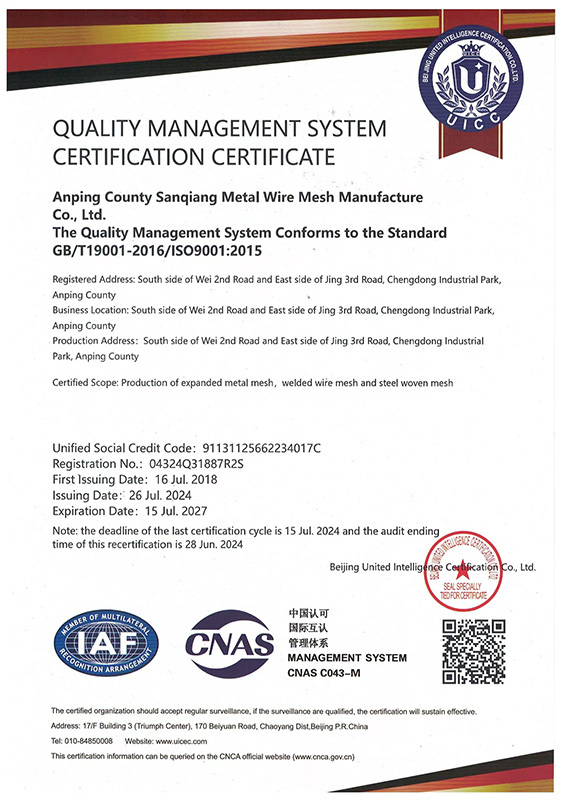
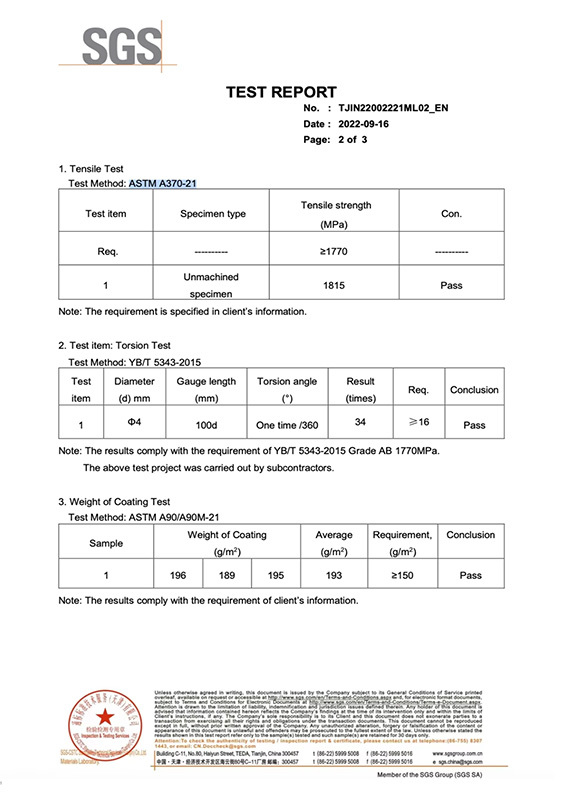
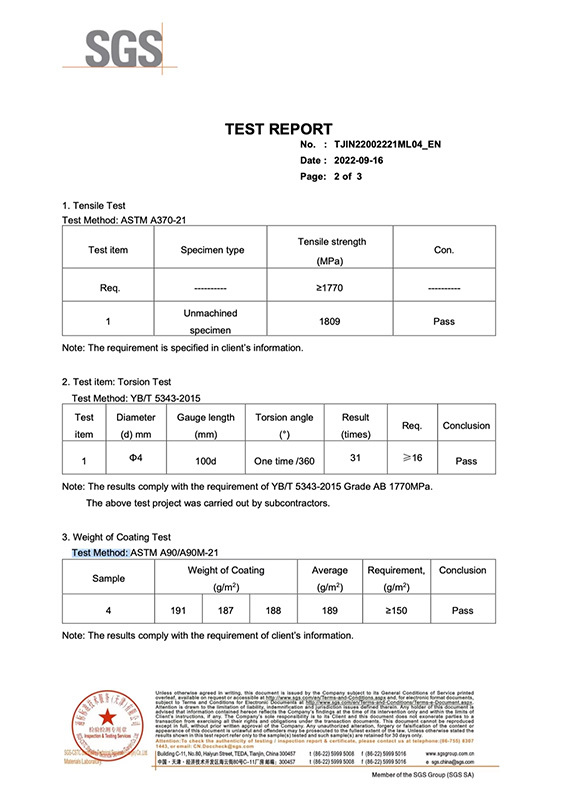
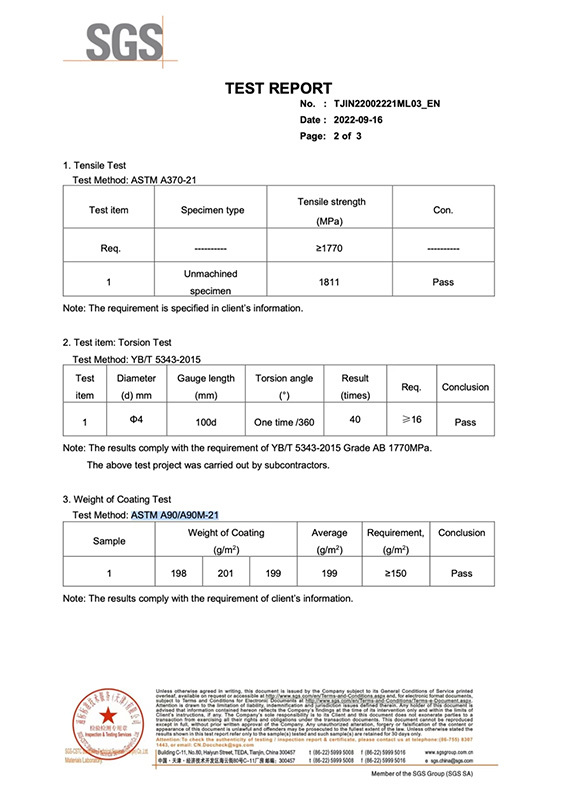
Qualifications
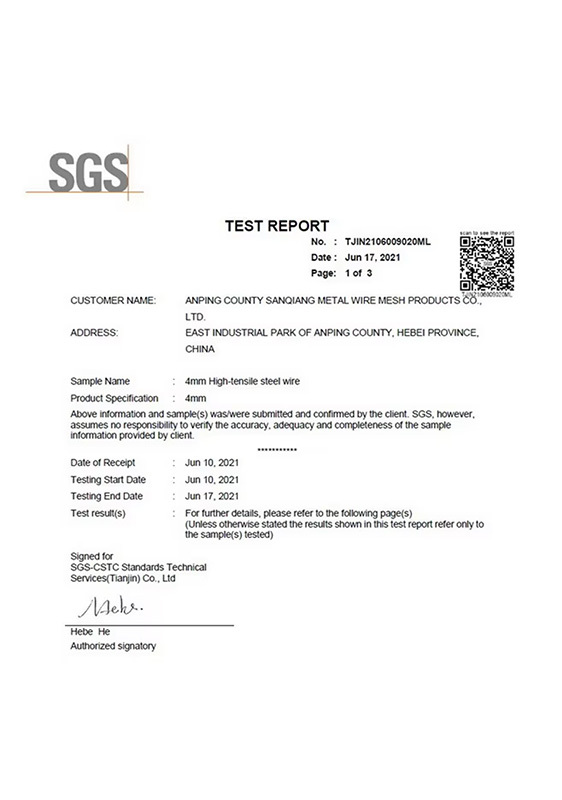
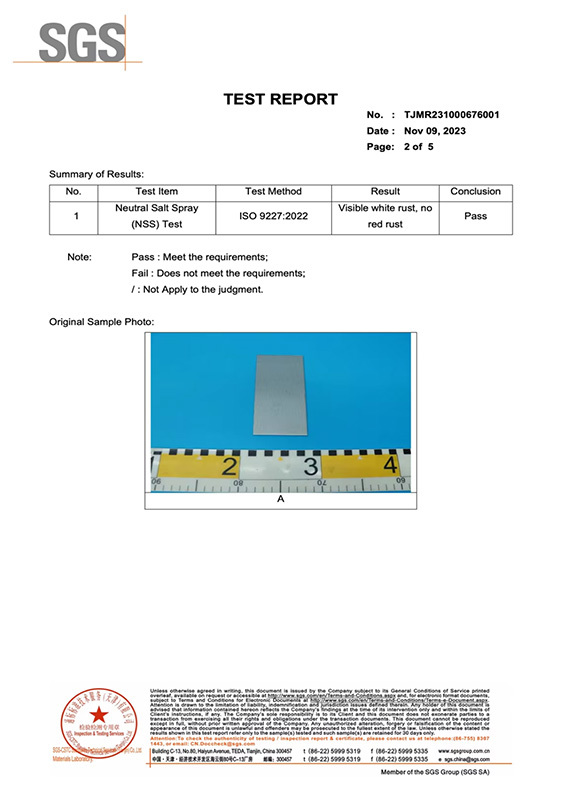
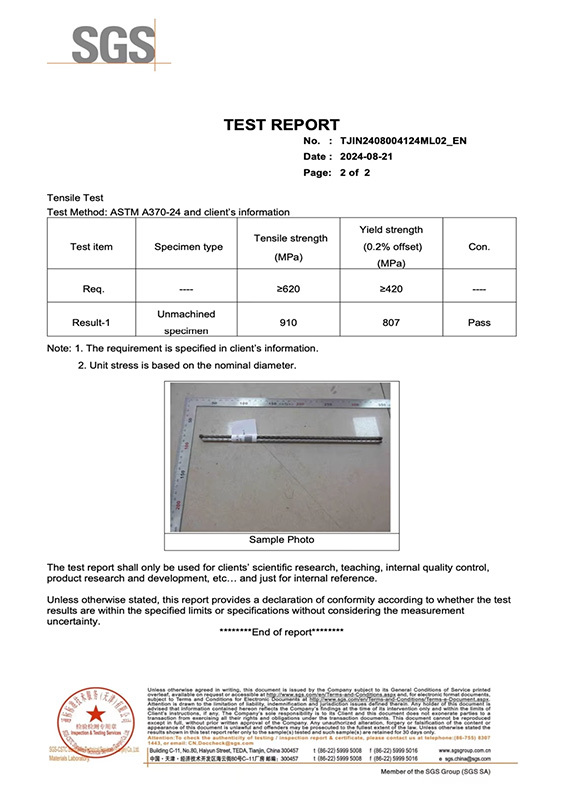
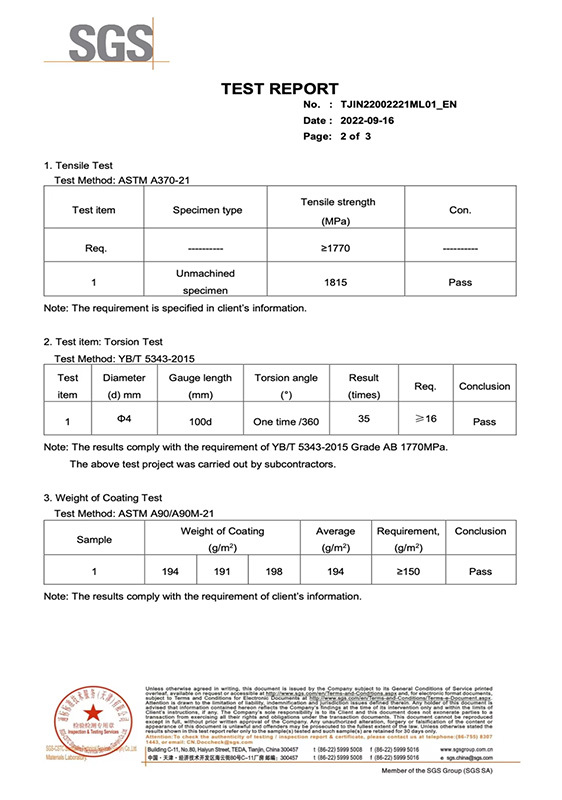
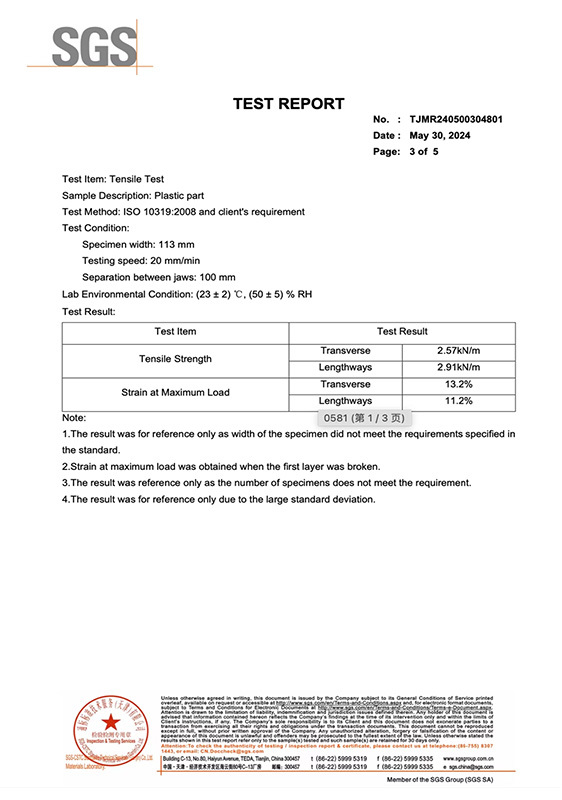
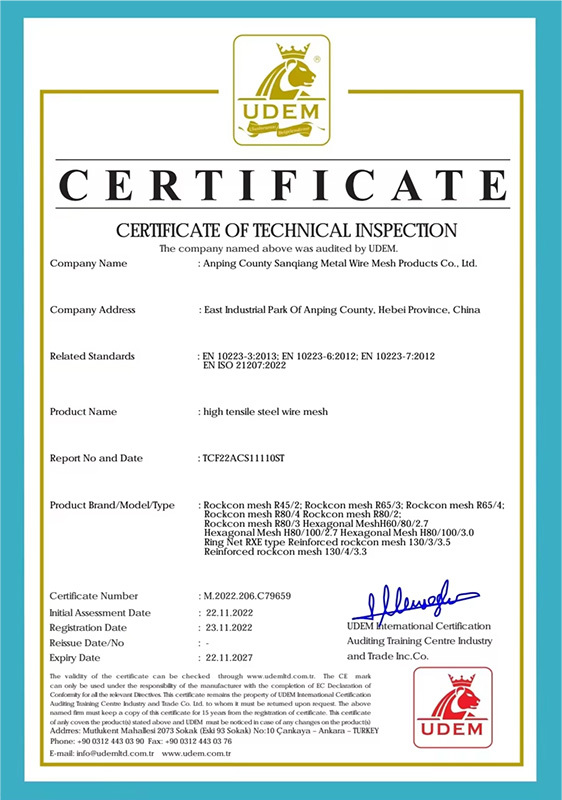
Company Introduction
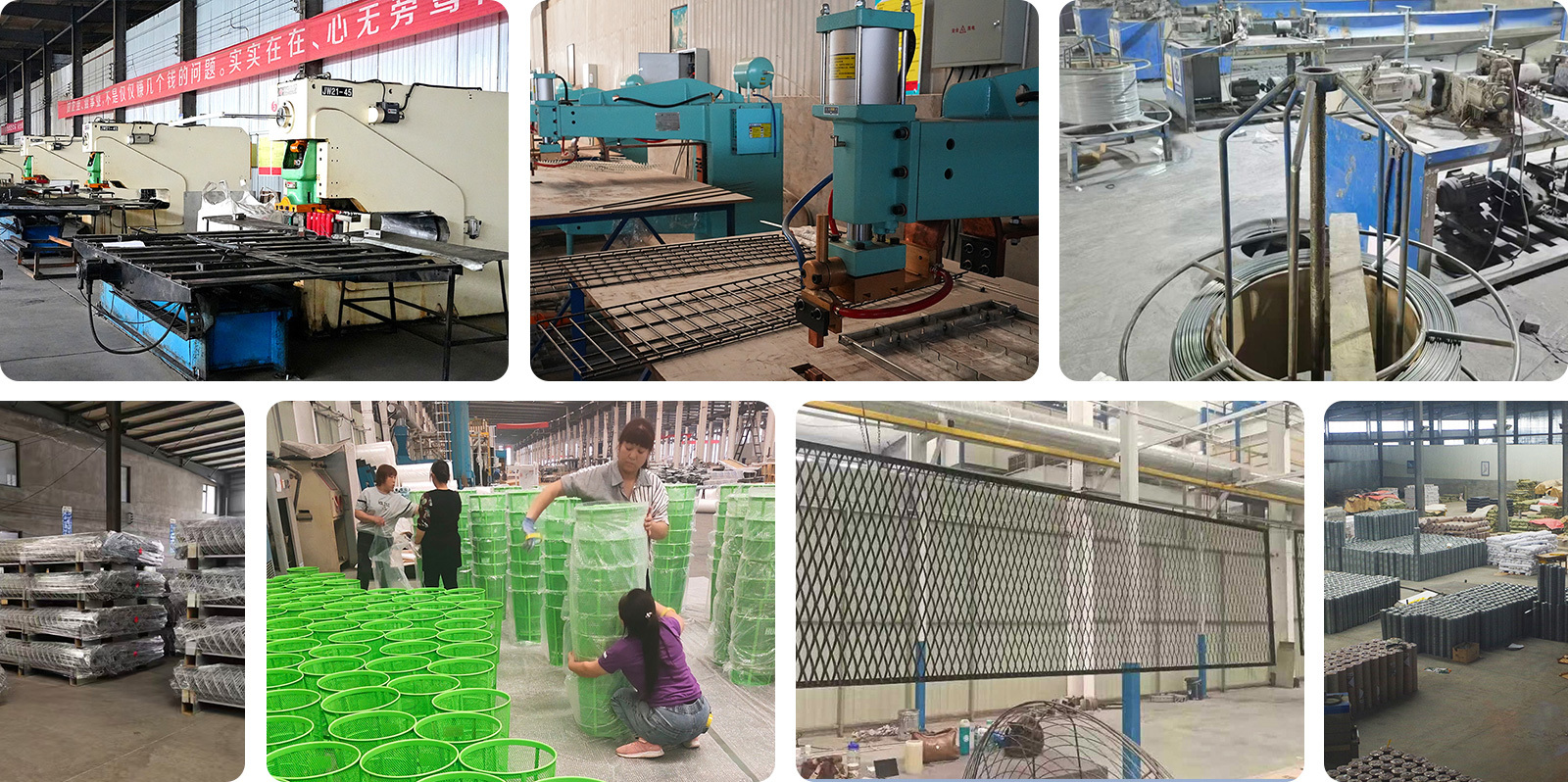
Now our company has employees 83production machinery more than 70 sets, with a total area of 30,000 square meters, the production process instrict accordance with lSO9001: 2000 standards and certification.Our products include: Decoraive Wire Mesh, Diamond Metal Lath, Rib lath, Hy Rib Formwork, ConstructionExpanded Metal Mesh In Rol, Brick Mesh, Corner Bead, Fiberglass Mesh, Perforated Metal Sheet, ExpandedMetal Mesh, Welded Wire Mesh, Welded Mesh Panel, Fence Mesh, Stainless Steel Kind Kong Wire MeshExpanded Metal Mesh for Insert Netting, Aluminum Perforated Security Door Mesh, and so on.
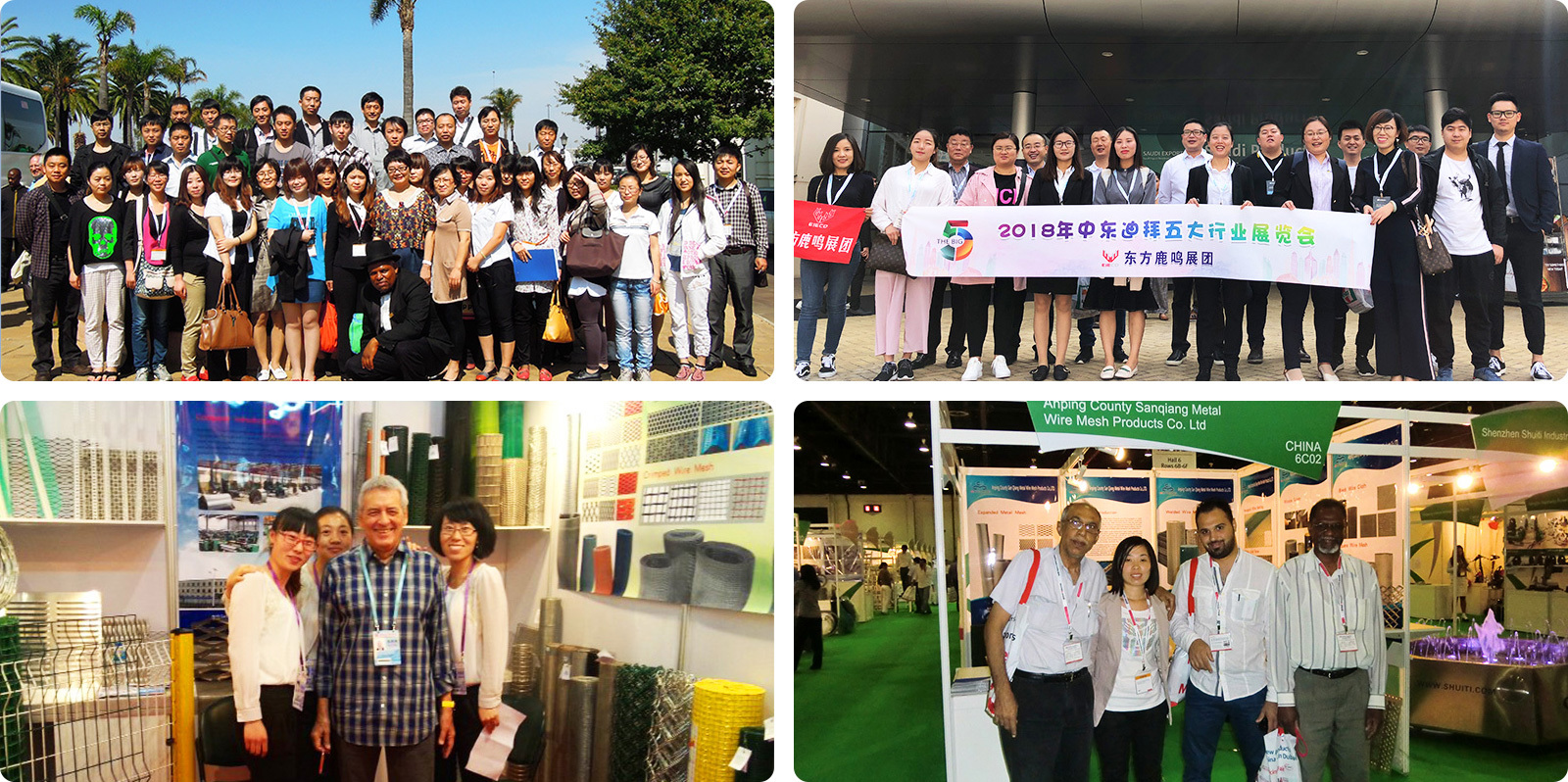
Exhibition Updates
We are active in major exhibitions around the world and are committed to providing customers with professional metal mesh solutions. The guiding principle of company quality is "Quality is life" and " lmprove quality and no endless".in addition toestablishing the quality policy, quality procedures, but in all the plant into sophisticated detection equipment, tostrengthen inspection work, every second to achieve the maximum quide lines. And to "insist on doing is to dothe best"business philosophy, expanded to hearts of every employee, making our company continued prosperityand sustainable industry beyond the source.
Key words:
Contact Info
Tel: +86 15510606506
WhatsApp: 8615510606506
E-mail: sales1@sq-wiremesh.com
South side of Weier Road,East Industrial Park ,East side of Jingsan Road, Anping county, Hengshui City ,Hebei Province,China
Request Quote
If you have any questions about our products and services, Please contact us.