language


Enhancing Spaces with Decorative Punching Mesh: Versatile Solutions for Architectural Design
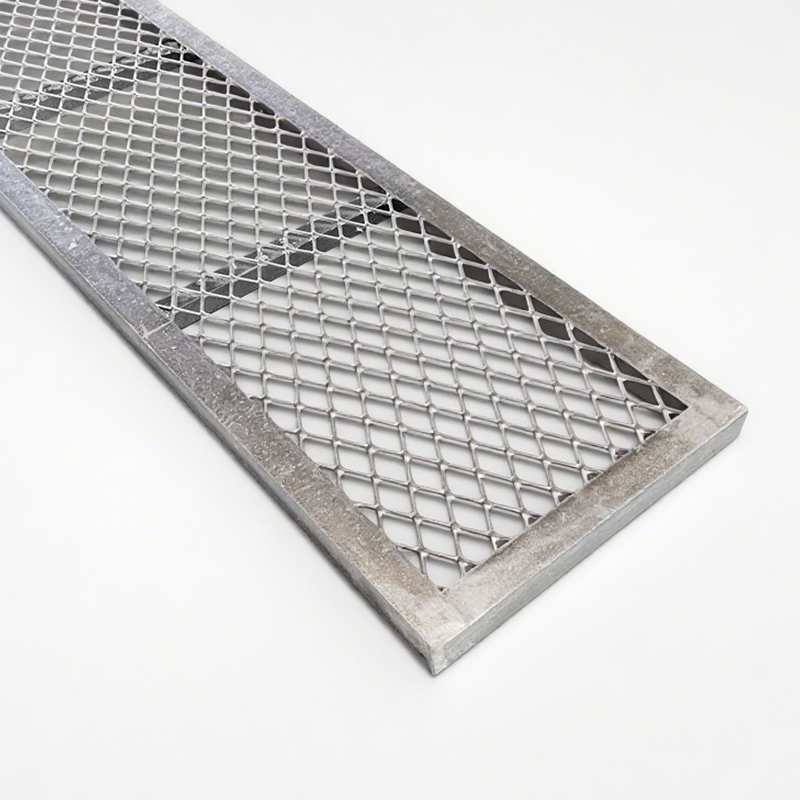
Decorative punching mesh is an innovative architectural solution, blending functionality with aesthetic appeal. Commonly used in the construction and decorative materials industry, this type of mesh offers a unique way to enhance spaces while fulfilling structural and design requirements. Here's an in-depth look at the attributes and applications of decorative punching mesh.
One of the primary ben
Oct 12,2026
Decorative punching mesh is an innovative architectural solution, blending functionality with aesthetic appeal. Commonly used in the construction and decorative materials industry, this type of mesh offers a unique way to enhance spaces while fulfilling structural and design requirements. Here's an in-depth look at the attributes and applications of decorative punching mesh.
One of the primary benefits of decorative punching mesh is its ability to add visual interest to buildings, facades, and interior spaces. The punched patterns can be customized to create intricate designs or simple, elegant shapes. This versatility allows architects and designers to create visually striking elements that can complement various architectural styles, from modern minimalist to classic traditional.
In addition to its aesthetic benefits, decorative punching mesh serves a functional purpose. It can be used for privacy screens, sunshades, and ventilation systems, allowing for better airflow while reducing direct sunlight exposure. This functionality is particularly valuable in commercial buildings, where energy efficiency is a priority. By controlling light and heat, decorative punching mesh can contribute to lower energy costs and improved comfort for occupants.
When considering decorative punching mesh for your project, it’s essential to understand the materials commonly used. Typically, this type of mesh is fabricated from metals like aluminum or stainless steel, which offer durability and resistance to corrosion. These qualities ensure that the mesh will maintain its appearance and functionality over time, even in harsh environmental conditions.
The installation process of decorative punching mesh can vary depending on the specific application and project requirements. It can be mounted as cladding on building exteriors, incorporated into railing systems, or used in interior partitions. Understanding the best installation practices is crucial for ensuring that the decorative mesh not only looks great but also performs effectively and safely.
Moreover, decorative punching mesh can also play a role in sustainability. By utilizing recycled materials or designing for longevity, projects can contribute positively to environmental goals. Additionally, the ability to reduce energy consumption through effective design means that decorative punching mesh is not just an aesthetic choice but also a responsible one.
In conclusion, decorative punching mesh is a remarkable addition to any architectural project. Its blend of beauty and functionality can elevate the design of buildings and spaces while ensuring practicality and efficiency. Whether used for enhancing facades, providing privacy, or improving energy performance, decorative punching mesh offers endless possibilities for creativity and innovation in the construction and decorative materials industry.
One of the primary benefits of decorative punching mesh is its ability to add visual interest to buildings, facades, and interior spaces. The punched patterns can be customized to create intricate designs or simple, elegant shapes. This versatility allows architects and designers to create visually striking elements that can complement various architectural styles, from modern minimalist to classic traditional.
In addition to its aesthetic benefits, decorative punching mesh serves a functional purpose. It can be used for privacy screens, sunshades, and ventilation systems, allowing for better airflow while reducing direct sunlight exposure. This functionality is particularly valuable in commercial buildings, where energy efficiency is a priority. By controlling light and heat, decorative punching mesh can contribute to lower energy costs and improved comfort for occupants.
When considering decorative punching mesh for your project, it’s essential to understand the materials commonly used. Typically, this type of mesh is fabricated from metals like aluminum or stainless steel, which offer durability and resistance to corrosion. These qualities ensure that the mesh will maintain its appearance and functionality over time, even in harsh environmental conditions.
The installation process of decorative punching mesh can vary depending on the specific application and project requirements. It can be mounted as cladding on building exteriors, incorporated into railing systems, or used in interior partitions. Understanding the best installation practices is crucial for ensuring that the decorative mesh not only looks great but also performs effectively and safely.
Moreover, decorative punching mesh can also play a role in sustainability. By utilizing recycled materials or designing for longevity, projects can contribute positively to environmental goals. Additionally, the ability to reduce energy consumption through effective design means that decorative punching mesh is not just an aesthetic choice but also a responsible one.
In conclusion, decorative punching mesh is a remarkable addition to any architectural project. Its blend of beauty and functionality can elevate the design of buildings and spaces while ensuring practicality and efficiency. Whether used for enhancing facades, providing privacy, or improving energy performance, decorative punching mesh offers endless possibilities for creativity and innovation in the construction and decorative materials industry.
PREVIOUS:


Contact Info
Tel: +86 15510606506
WhatsApp: 8615510606506
E-mail: sales1@sq-wiremesh.com
South side of Weier Road,East Industrial Park ,East side of Jingsan Road, Anping county, Hengshui City ,Hebei Province,China


Request Quote
If you have any questions about our products and services, Please contact us.
Business license